
Conventional golf wisdom says a stiffer shaft means more control, and a softer, whippier one means erratic, unpredictable shots. autoFlex built its entire product line around directly challenging that assumption, using a patented South Korean manufacturing technique that lets a genuinely flexible shaft deliver measurable distance gains without the wild dispersion golfers expect from a "whippy" feel. After going through their full shaft lineup, the underlying technology, and a substantial body of independent testing and customer reviews, here's a complete breakdown to help you decide if it's worth putting in your driver.
autoFlex is manufactured by Dumina Co. Ltd., a South Korean company, and markets its shafts around a simple, direct promise: increase your distance effortlessly and rediscover distance you may have lost over time, using what the brand calls Korean Hidden Technology.
Ultra-Lightweight, Highly Flexible Design. Unlike traditional stiff aftermarket shafts, autoFlex shafts use an ultra-lightweight graphite construction combined with a patented manufacturing process that allows the shaft to flex dramatically through the swing — independent reviewers have described the flex as noticeably reminiscent of a fly fishing rod on first impression.
Why Extreme Flex Doesn't Mean Erratic Shots. This is the part that surprises most testers: rather than producing wild, unpredictable dispersion (as conventional shaft theory would predict), the flex is engineered specifically to optimize energy transfer from the club to the ball, converting a golfer's existing swing speed into more efficient ball speed and distance without requiring them to swing harder or change their mechanics.
AutoFlex Original ($790). The shaft that started it all, marketed as the innovative shaft that changed the game — this is the original design that built the brand's reputation in the golf community.
AutoFlex Limited Edition ($850). A limited production run, described by the brand as a showcase of their creative passion — a premium, harder-to-find version of the core AutoFlex concept.
AutoFlex FlexOne ($790). Positioned around simplicity — "Simple, Smooth, Effortless" — likely aimed at golfers who want the core AutoFlex experience without needing to navigate multiple flex or weight variants.
AutoFlex Gen 2 Shafts — Dream7 and Joy365 ($880 each). The newer, second-generation line, refined specifically for distance (Dream7) and described as the easiest shaft you'll ever swing (Joy365) — reflecting continued iteration on the original concept rather than the brand resting on its initial design.
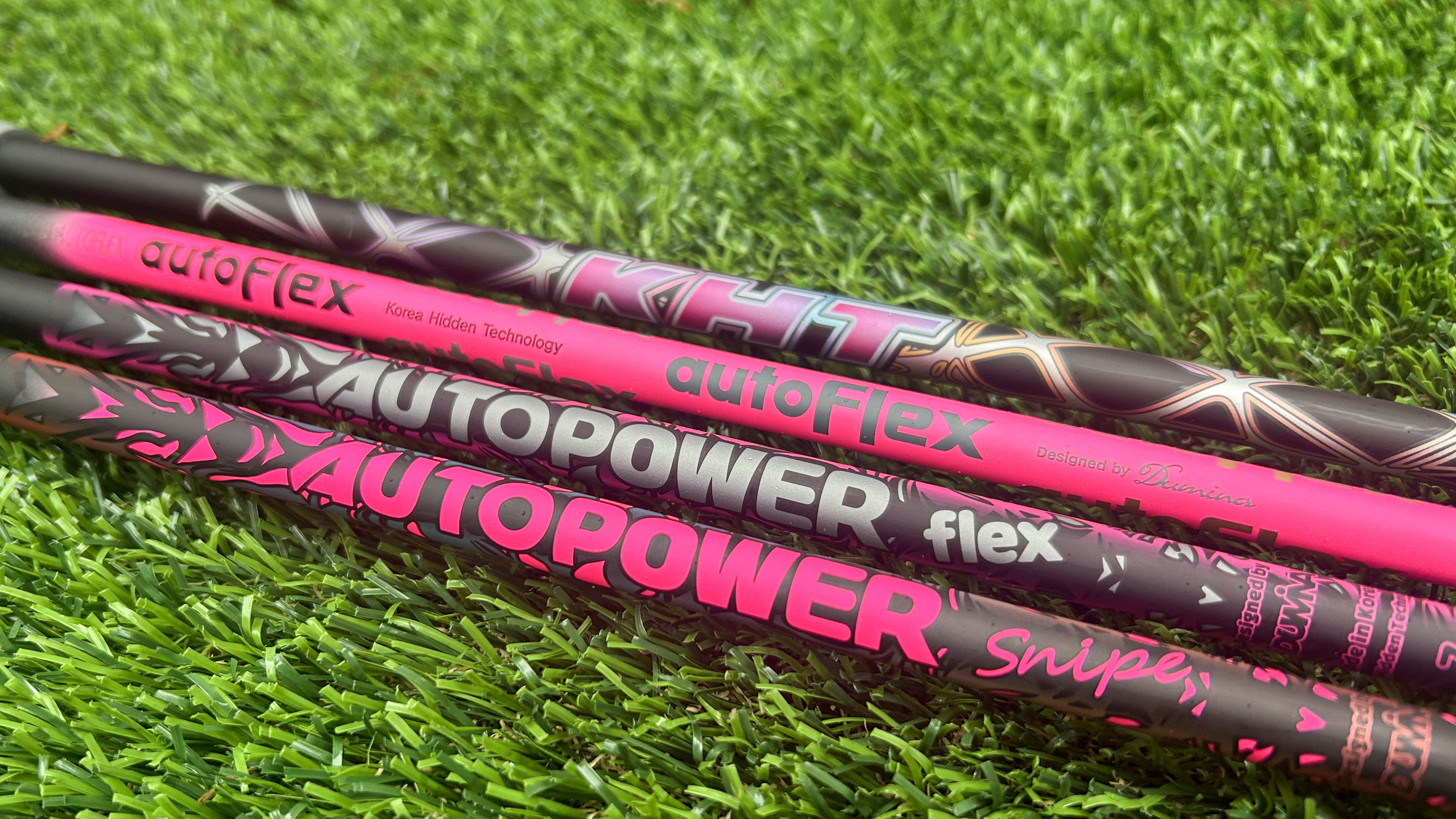
AutoPower KHT ($390). A more tour-oriented option described as offering tour-rated stability, built with T1100 Japanese carbon fiber — positioned for golfers who want a more conventional stiffness feel while still benefiting from autoFlex's underlying engineering philosophy.
AutoPower Snipe ($490) and AutoPower Flex ($590). Described by the brand as "The Great Communicators," these models are positioned as a transitional step for golfers moving away from conventional stiff shafts, with the Flex model specifically framed as the next step up from the Snipe.
This is where autoFlex's claims get real, third-party validation beyond marketing copy. National Club Golfer's testing directly compared the SF505X, AutoPower Flex, and AutoPower Snipe models against a tester's own gamer LA Golf shaft, finding the SF505X in particular delivered measurable swing-speed gains with genuinely impressive consistency, despite feeling far softer than any traditional extra-stiff shaft — with ball speeds regularly reaching 160-162 mph and carry distances consistently between 270-278 yards, repeatable across multiple sessions. Notably, the tester specifically expected the extreme flexibility to produce large offline misses, and found the opposite: after a short adjustment period, shots were straight and predictable with very little variance — directly contradicting the common assumption that whippy shafts inherently produce erratic dispersion.
A MyGolfSpy forum member testing panel of the AutoFlex Dream7 found broadly positive results, with testers observing increased distance and improved accuracy, and several achieving their longest drives on familiar courses. Results weren't universal, though — some testers found the shaft never felt entirely natural despite extended testing and reverted to their previous setup, while others found the distance and control gains significant enough to make it a permanent part of their bag. GolfWRX's independent review specifically highlighted an accuracy improvement over a conventional stiff shaft, with the reviewer noting their typical off-target draw largely disappeared, though total distance gains were more modest in that specific case.
Beyond professional and semi-professional testing, everyday golfer reviews echo similar themes. One frequently cited customer review described a 67-year-old golfer who had been driving 190-210 yards, gaining roughly 15 yards within a single day of adjustment, and reaching an average of 233 yards after two weeks of use — with the added confidence reportedly allowing a freer, more natural swing and improved shot dispersion. Broader review aggregation suggests many golfers report gains in the range of 10-20 extra yards off the tee, alongside consistent praise for the shaft's smooth, responsive feel once golfers push through an initial adjustment period.
autoFlex specifically emphasizes buying directly from their official store to avoid counterfeit risk — a meaningful concern given how much attention and hype these shafts have generated in the golf community, which naturally attracts counterfeit sellers. The brand backs direct purchases with free shipping, a free exchange within 30 days, and a 1-year warranty on all shafts.
Genuinely independent, skeptical testing that still came back positive. Having outlets like National Club Golfer and GolfWRX test the shafts against their own personal gamer equipment — rather than just publishing the brand's marketing claims — and still report real distance and accuracy improvements is a considerably stronger form of validation than typical golf equipment marketing.
The counterintuitive accuracy story is well-documented. Multiple independent reviewers specifically expected the extreme flex to produce erratic shots and were surprised to find the opposite — this pattern showing up across separate, unrelated test sessions adds real credibility to the underlying engineering claims.
A genuinely broad lineup spanning entry-level to premium tour-oriented options. From the more accessible $390 AutoPower KHT up to the $880 Gen 2 shafts, there's a real range of price points and flex characteristics, letting golfers ease into the technology rather than needing to commit to the most extreme flex version immediately.
Real-world results from everyday golfers, not just low-handicap testers. The specific example of a senior golfer gaining over 20 yards within two weeks reflects genuine accessibility of the technology's benefits across a wide range of swing speeds and ages, not just optimized for already-elite swings.
Direct-purchase counterfeit protection. Given how much hype and demand these shafts have generated, the brand's explicit warning about counterfeit risk and encouragement to buy direct is a practical, trust-building detail worth taking seriously.
Results aren't universal, and adjustment takes real time. Independent testing panels found a genuine minority of golfers never fully adapted to the unusual flex feel, even after extended testing — it's worth going in with realistic expectations that this may require a real adjustment period, and results can vary based on individual swing mechanics.
These are a premium investment. At $390-$880 depending on model, autoFlex shafts sit well above typical aftermarket shaft pricing — worth considering this as a genuine investment in a specific area of your game (driver distance and consistency) rather than an impulse upgrade.
Durability may not fully match traditional stiff shafts. At least one review noted the lightweight graphite construction, while durable and able to withstand many rounds, may not match the longevity of more traditional, heavier shaft designs over the very long term.
Proper fitting matters for getting the right flex and weight. Given the wide range of models and flex characteristics, it's worth using autoFlex's fitting tools (both their HQ fitting appointments and online fitting tool) or consulting with a qualified fitter rather than guessing at the right model for your specific swing speed and driver setup.
If you're looking for a genuinely different approach to driver shaft performance — one that's been independently tested and repeatedly shown to deliver real distance and accuracy gains, even for golfers skeptical going in — autoFlex is a strong, well-validated option worth serious consideration. The combination of patented, genuinely differentiated flex technology, consistent independent testing results from respected golf outlets, a broad lineup spanning multiple price points and flex characteristics, and real-world testimonials spanning a wide range of golfer ages and skill levels makes it easy to see why this has become one of the more talked-about aftermarket shaft innovations in recent years — as long as you're prepared for a genuine adjustment period and go in with a fitting to find the right specific model for your swing.