

Red light therapy has moved from clinic-only equipment into a genuine at-home wellness category over the past several years, but the marketing around it — testimonials describing everything from wound healing to eczema relief — often runs well ahead of what any single device can actually be shown to do. BestQool builds a wide range of red and near-infrared light therapy panels, wraps, and mats positioned around muscle recovery, skin wellness, and relaxation. After going through their full product lineup, certifications, and — importantly — the specific claims made across the site, here's a complete, carefully balanced breakdown to help you make an informed decision.
BestQool positions its devices around supporting daily muscle and joint comfort, cellular energy production, post-exercise recovery, mobility, circulation, and overall wellness, backed by FDA, CE, RoHS, and FCC-related certifications and stated third-party testing.
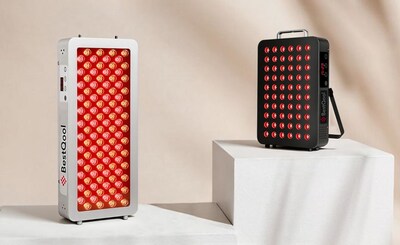
BQ40 ($109-$149, 40 LEDs, portable). The brand's compact entry point, a dual-wavelength panel with an adjustable kickstand for targeted, localized use.
BQ60 (from $149-$189, best-seller, 60 LEDs). The brand's most popular original-series panel, offering higher irradiance and coverage than the BQ40.
BQ60Pro ($299, 6 wavelengths, clamp-on design). A hands-free variant that clamps onto a bed frame or similar surface, letting users lie back and receive treatment without holding the device.
BQ150 ($519, 4 wavelengths, half-body coverage, 150 LEDs). A larger panel bridging the gap between the compact BQ series and the full Pro line.
Pro100 / Pro200 / Pro300 ($259-$899, modular half-to-full-body coverage). The brand's largest, most powerful panels, designed to be used individually or combined into multi-unit setups as coverage needs grow over time.
Sauna Light ($399, IPX6 waterproof) and Redot Series (S/M/L belts, wraps, and mats). Extending red light delivery into wearable and sauna-compatible formats for hands-free, targeted use on specific body areas.
Universal Stand and Adjustable Mobile Stand ($269-$399). Practical accessories letting users mount a panel for genuinely hands-free, reclined treatment sessions.
This is worth understanding clearly and accurately: BestQool states its devices are Class II medical devices under a 510(k) exemption, alongside CE, RoHS, and FCC-related certifications and third-party testing. It's important to know what this classification actually means — a 510(k) exemption is a regulatory category for certain low-risk device types, and it is meaningfully different from the FDA formally reviewing and clearing specific therapeutic claims for a product. The brand's own site includes a clear disclaimer stating the products are not intended to diagnose, treat, or prevent any disease, that the statements on the site haven't been evaluated by the FDA, and that the website is for educational purposes rather than medical advice — this is worth taking seriously and reading in full, since it directly qualifies many of the more dramatic claims found elsewhere on the same site.
A genuinely practical feature across the Pro series — panels are designed to connect into larger multi-unit setups over time, so a customer can start with a smaller panel and expand to half- or full-body coverage as their needs or budget allow, rather than needing to commit to the largest configuration immediately.
The site features a panel of clinicians (an ER doctor, a psychiatric nurse practitioner, several dermatology providers, and others) via a third-party clinician review platform, each attached to a stated years-in-practice figure. It's worth understanding this as a marketing partnership showcasing individual practitioners' personal opinions of the product, rather than a formal clinical trial, an institutional endorsement, or FDA-reviewed evidence specific to these devices.
This is genuinely important to address directly rather than repeat uncritically: the site features numerous before-and-after testimonials describing significant health outcomes — including healing of infected post-surgical wounds, eczema improvement, resolution of menstrual cramps, relief from long-standing joint and ligament injuries, and surgical scar recovery. These are individual, self-reported experiences, not controlled clinical evidence, and it's worth reading them with real skepticism regarding causation — many of the described conditions (wound healing, eczema, menstrual pain, old orthopedic injuries) have complex, multifactorial courses, and improvement over time doesn't establish that the light device specifically caused the result. This is exactly the kind of claim the brand's own regulatory disclaimer is qualifying, and it's worth weighing the flashy testimonial content against that plainly stated disclaimer rather than the other way around.
The brand cites mentions across various publications and local news affiliates, generally describing red light therapy's convenience and general wellness positioning (muscle recovery, relaxation, skin support) in fairly measured terms, without the more dramatic specific medical claims found in the customer testimonial section. It's worth distinguishing this more general, wellness-framed coverage from the individual testimonials describing dramatic recovery from specific medical conditions.
BestQool offers free US shipping, HSA/FSA payment eligibility, a stated warranty (2 years on the compared models), a return policy, and 1-on-1 customer service, alongside a device-comparison chart specifying power consumption, weight, irradiance, and EMF emission for each model — a genuinely useful level of technical transparency for customers wanting to compare specifications directly rather than relying on marketing copy alone.
A genuinely wide range of formats and coverage sizes. Spanning compact portable panels through full-body modular setups, wraps, and a waterproof sauna-compatible light gives customers real choice matched to their specific use case and budget.
Real technical transparency in the comparison chart. Publishing specific irradiance, EMF emission, weight, and dimension data for each model is a genuinely useful, checkable level of detail beyond vague marketing specs.
A thoughtfully modular, expandable product architecture. Being able to start smaller and expand coverage over time gives customers a lower-risk way to try the category before committing to a larger investment.
An included, plainly stated regulatory disclaimer. The brand's own clear statement that its products aren't intended to diagnose, treat, or cure disease, and that FDA hasn't evaluated the specific claims, is a meaningfully honest inclusion that's worth reading and taking at face value.
Genuine hands-free and wearable format options. The clamp-on, wrap, and mat formats reflect real attention to making sustained, correctly positioned sessions more practical than holding a panel manually.
Weigh the testimonials against the brand's own regulatory disclaimer, not instead of it. As discussed above, individual accounts of wound healing, eczema improvement, or resolved chronic pain are not the same as clinical evidence that the device caused those outcomes — it's worth treating these as personal anecdotes rather than a basis for expecting a specific medical result.
This is not a substitute for medical care for any diagnosed condition. If you're dealing with a post-surgical wound, persistent eczema, menstrual pain significant enough to be debilitating, or a chronic orthopedic injury, it's important to continue working with your doctor, dermatologist, or gynecologist as appropriate — a red light device may be a reasonable complementary wellness tool for some people, but it isn't a replacement for diagnosis and treatment of an underlying medical condition.
"Class II, 510(k) exempt" is a regulatory category, not a specific efficacy claim. It's worth understanding this classification doesn't mean the FDA has reviewed and confirmed the device treats any particular condition — the brand's own site says as much directly.
EMF emission and irradiance values are worth comparing against your own comfort level. Since the brand publishes this data directly, it's worth reviewing the specific figures for a model you're considering if EMF exposure or a specific irradiance level matters to your decision.
If you experienced discomfort like headaches from a session, that's worth taking seriously. One included testimonial described initial headaches from what was described as overuse before adjusting session frequency — it's worth starting with shorter, less frequent sessions and following the manufacturer's specific usage guidance rather than assuming more exposure is automatically better.
If you're interested in trying red light therapy for general wellness purposes — muscle recovery, relaxation, or skin support — BestQool offers a genuinely wide, well-specified product range worth considering, backed by real technical transparency and a modular design that lets you start small. That said, this is a general wellness product line, not a treatment for a diagnosed medical condition, and it's worth reading the brand's own regulatory disclaimer carefully and weighing the dramatic customer testimonials with real skepticism rather than as evidence of guaranteed results. If you're managing a specific health condition — a healing wound, eczema, chronic pain, or anything else described favorably in the testimonials — please continue working with your doctor or relevant specialist alongside, not instead of, any wellness device.